Travel destinations for book lovers
From Hemingway's Pamplona to Mankell's flair in Ystad – literature comes alive in these places.


Ein stilvoller Mann sitzt entspannt auf einem Segelboot, Buch und Stift in der Hand, und blickt über die weite See. Die Szene verbindet literarische Inspiration mit modernem Luxus und passt zu AMEXperience, wenn das Magazin fantastische Reiseziele für Buchliebhaber vorstellt: von Hafenstädten mit historischen Bibliotheken bis zu Retreats auf dem Wasser. Sie steht für die Vorteile von American Express wie komfortables Bezahlen, Reise-Services und Zugang zu besonderen Erlebnissen für anspruchsvolle Leserinnen und Leser.

Everything you need to know at a glance
Literary tours combine a love of travel with a passion for literature, taking visitors to the original settings of famous novels and the places where great writers lived. Destinations such as Davos, which shaped Thomas Mann, Pamplona, which inspired Ernest Hemingway, and García Márquez's Cartagena bring classics of world literature to life.
Literature enthusiasts can immerse themselves in the atmosphere of their favorite books on themed city tours, in historic hotels, and at authentic novel locations. The combination of cultural experience, local flair, and the traces of famous authors who shaped these places makes the experience particularly appealing.
In the footsteps of Ernest Hemingway in Pamplona
Ernest Hemingway's novel "The Sun Also Rises" transports readers to 1920s Spain. The story follows a group of American and British expatriates who meet in Pamplona, Spain, for the San Fermín festival. The novel captures the atmosphere when the tranquil old town becomes the scene of the explosive bull run at the beginning of July.
Hemingway visited Pamplona for the first time in 1923 and returned repeatedly in subsequent years. The novel "Fiesta" was published in 1926 and made both the author and the San Fermín festival world famous. The city later honored him with a bust near the bullring.


If you want to follow in Hemingway's footsteps, stay at his favorite hotel: the Gran Hotel La Perla in the heart of Pamplona's old town has retained its historic charm to this day. The lobby still contains memorabilia of the writer.
Guided literary walks through the city take you to the most important locations in the novel. To experience Pamplona's culinary delights, we recommend a pintxo tour of the bars in the old town.
Must-do: After a stroll through the narrow streets, enjoy a coffee or aperitif at Café Iruña on Plaza del Castillo. Hemingway spent many hours in this elegant café with its 1920s charm. A corner is still dedicated to him today.
Experience Henning Mankell's melancholic Sweden in Ystad
Henning Mankell's crime novels featuring Inspector Kurt Wallander have helped shape the term "Nordic noir." Wallander is an investigator full of doubt, often tired and disillusioned, who fights crime and his own demons in the small southern Swedish town of Ystad.
You can take a Wallander walking tour on your own, with an app guiding you to the most important locations from the novels and TV series. Stops include Wallander's apartment on Mariagatan and the police station.
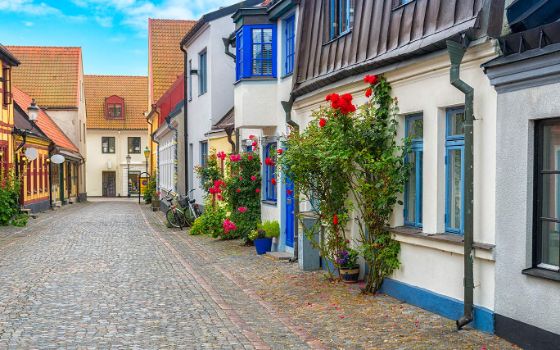
Ystad is a charming medieval town on the Swedish Baltic coast with cobbled streets, half-timbered houses, and a tranquil harbor. A walk along the coast and through the old town conveys the typical Wallander feeling: the silence, the light, the melancholic beauty of southern Sweden. A visit to Ystad is particularly atmospheric in the fall and winter months, when the days are short and the gloomy atmosphere of the novels is particularly noticeable.
Interesting fact: At Ystad Saltsjöbad, however, the winter blues don't stand a chance. With its spa and excellent cuisine, this stylish resort right by the sea is a wonderful place to end a day spent by the stormy sea. Use your American Express credit card to reserve a coveted room with a sea view securely and conveniently online.

Berlin as Alfred Döblin's urban jungle
Alfred Döblin's Berlin Alexanderplatz is one of the most important German novels of the 20th century. The story of Franz Biberkopf, who tries to lead a decent life after his release from prison, is set in Berlin in the late 1920s.
What makes this novel so special is the technique Döblin uses to bring the city to life: newspaper headlines, advertising slogans, song lyrics, street noises, and snippets of dialogue flood the reader unfiltered, just like the noise of the big city floods his protagonists.
On a literary city tour of Berlin, you can walk along the routes that Franz Biberkopf might have taken. You will learn how the city has changed since the 1920s and discover the places where the Berlin of yesteryear can still be felt today.
While Franz Biberkopf mainly moves in the underworld, Berlin has a lot to offer from a tourist perspective. As in the most beautiful cities in Germany, you will find excellent hotels in the metropolis. For example, the "Soho House Berlin," just a few minutes' walk from Alexanderplatz.
Interesting fact: Soho House Berlin is part of The Hotel Collection by American Express. As a Platinum Card holder, you will receive special benefits during your stay.


Discover Davos from Thomas Mann's perspective
Thomas Mann's "The Magic Mountain" is one of the great novels of world literature. The story of Hans Castorp, who comes to visit a sanatorium in Davos and ends up spending seven years there, is at once a portrait of the times, a philosophical discourse, and an existential reflection on life, death, and time. The mountain becomes a microcosm, cut off from the rest of the world.
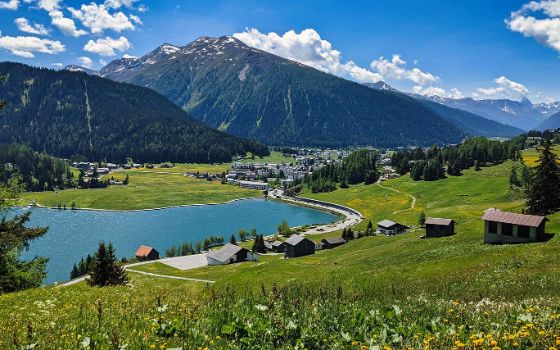
Nestled in the Alps, Davos, with its clear mountain air, was a center for tuberculosis treatment in the 20th century. Today, Europe's highest city is best known as a winter sports resort and host of the World Economic Forum. But the special atmosphere that characterizes the novel "The Magic Mountain" has remained.
The Hotel Schatzalp is the main attraction for all pilgrims to The Magic Mountain. The former sanatorium high above Davos served as inspiration for Thomas Mann. Today it is a charming Art Nouveau hotel. Its restaurant offers fine Swiss cuisine and the view of the mountains is breathtaking.
The Waldhotel Davos is another former sanatorium. Katia Mann took a cure there, Thomas Mann visited her, and the daily routine at the sanatorium gave him the idea for his novel. Today, the hotel, with its many historical elements, houses a modern spa area, among other things.

With García Márquez in Cartagena, the city of love
Gabriel García Márquez's novel Love in the Time of Cholera tells the story of a love that lasts over fifty years. Florentino Ariza waits half a century for Fermina Daza, the woman of his life.
The novel is set on the Colombian Caribbean coast in Cartagena, a city straight out of a fever dream: colorful colonial architecture, overgrown with bougainvillea, the air heavy with heat and the scent of the sea. In the walled old town, cobblestone streets wind their way between pastel-colored houses, salsa music spilling out of open doors.
The best way to experience Cartagena on your literary journey is to take a boat trip on the Río Magdalena or along the coast. This will bring the romantic final scene of the novel to life.
Gabriel García Márquez lived in Cartagena for many years and owned a house in the old town. Today, the Sofitel Legend Santa Clara is the most elegant hotel in the city, combining colonial architecture with modern comforts. The pool in the courtyard is a particular oasis. García Márquez himself knew the building when it was still a monastery; today, it is the perfect starting point for literary exploration tours.
Interesting fact: the pool in the courtyard of the Sofitel Legend Santa Clara is a special oasis. Why not book a room at the hotel for your literary journey? As it is one of American Express's Fine Hotels + Resorts, Platinum Card members receive attractive extras.


Gold Card or Platinum Card? Which card will accompany you on your literary journey?
Literary tourism: in the footsteps of world classics
Literary journeys take you to places you may have visited a hundred times in your mind. Whether you follow in Hemingway's footsteps through Pamplona, reread the novel "The Magic Mountain" in a mountain hotel, or drift through the tropical colonial city of Cartagena, discover the charm of these places.
And for all trips, the most convenient way to travel is with an American Express credit card. It offers numerous attractive benefits for travel and everyday use, such as comprehensive insurance benefits, dining benefits, and hotel perks.
Frequently asked questions and answers
No, but knowing the stories will greatly enrich the experience. Even without prior knowledge, all destinations are impressive travel destinations with their own charm. The literary tours and locations tell the stories on site, so you can get a good impression even without the book.
The thin, clear mountain air at an altitude of over 1,500 meters was considered healing for lung patients at the time. From the 1860s onwards, Davos developed into the leading health resort for tuberculosis treatment, with numerous sanatoriums where patients often spent years. The isolated location in the Alps, the tranquility, and the special high-altitude climate were believed to promote healing. Thomas Mann wrote about this unique world in his novel "The Magic Mountain" after visiting his wife in a Davos sanatorium in 1912.
That depends on the destination: Pamplona is at its most intense (but also most crowded) during the San Fermín festival in July. Ystad's "Nordic Noir" atmosphere is best experienced in autumn and winter. Cartagena in Colombia is best visited during the dry season from December to April. Davos and Berlin are charming all year round.